Do Fixings and Installation Hardware Come With Acoustic Panels?
Find out when fixings, adhesives and mounting hardware come with acoustic panels, what depends on the installation method, and what to confirm before ordering.
Ordering acoustic panels involves more than selecting the right colour, size and acoustic performance. There is another practical question that can have a major impact once the products arrive on site:
Do the fixings and installation hardware come with the acoustic panels?
The answer depends on the product, fixing system, mounting surface and installation method.
Some projects require adhesives for direct fixing. Others use mechanical fixings, clips, tracks or suspended systems. In some cases, the installer may prefer to supply their own hardware because it needs to coordinate with the substrate or other elements of the fit-out.
At Acoustic Panels Australia, the aim is to establish these requirements before the order reaches site. The appropriate fixing arrangement can be confirmed during quoting so the builder or installer knows what is included, what they need to provide and how the panels are intended to be installed.
Providing information about the mounting surface and proposed installation method early makes this process considerably easier—and helps avoid discovering a missing fixing or incompatible substrate on installation day.
What Comes With Acoustic Panels?
There isn't a universal installation kit that suits every acoustic panel.
What needs to be supplied depends on the particular product and how it will be installed.
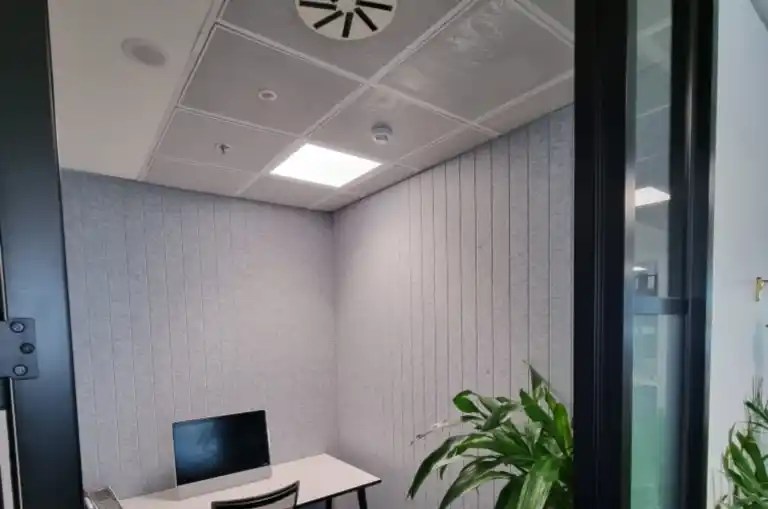
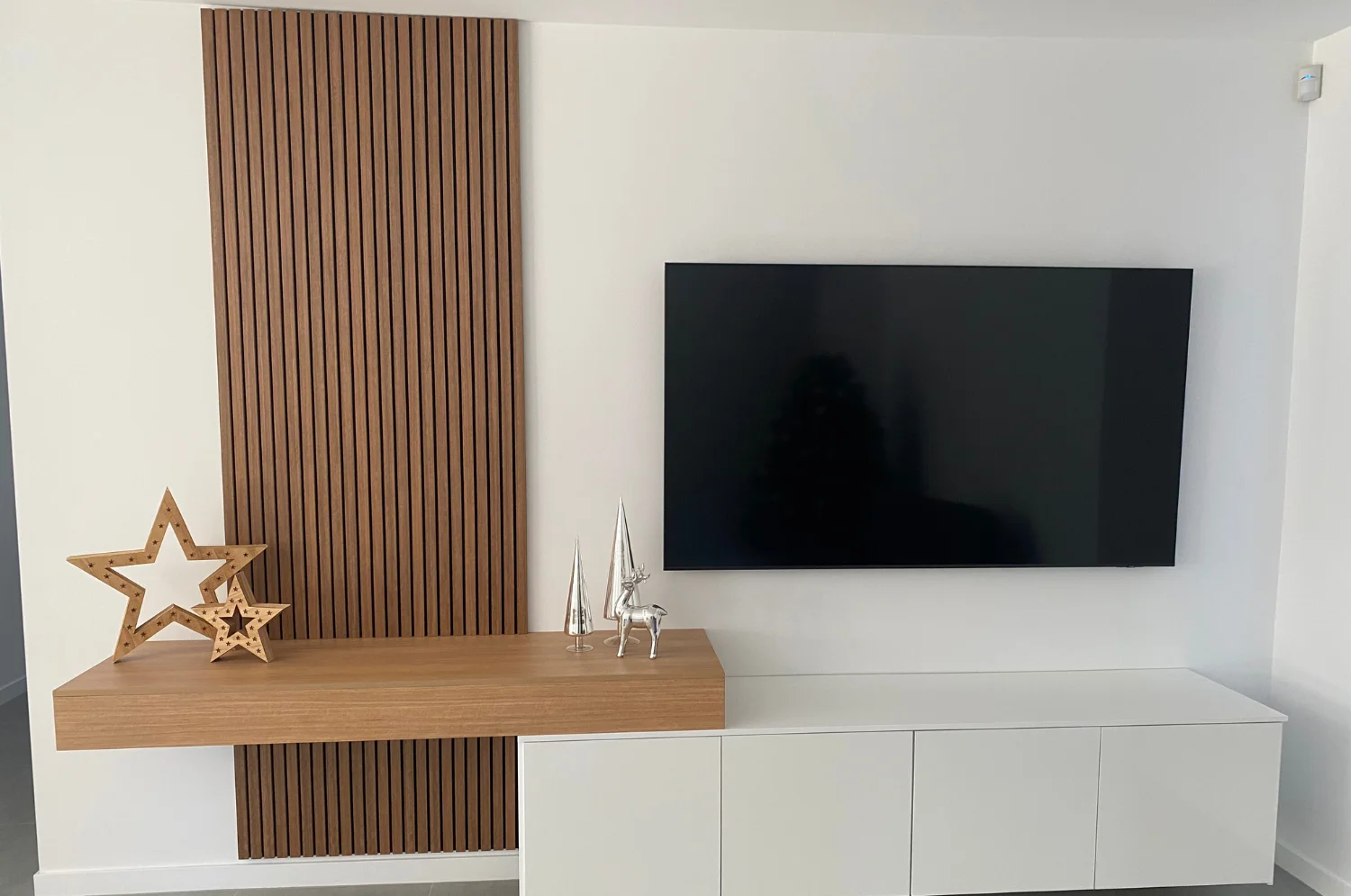
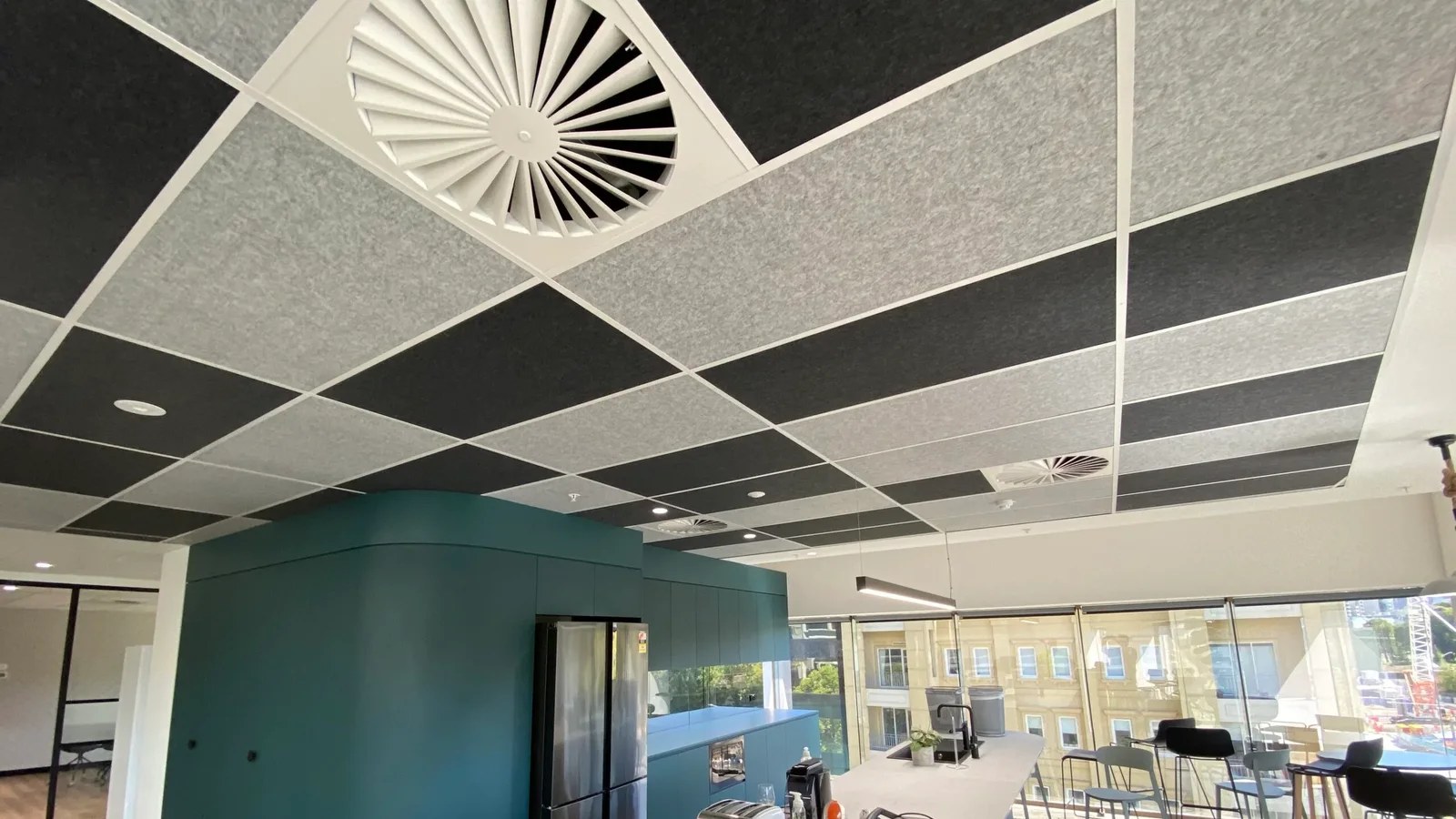
For example, a direct-fixed wall panel may require a very different installation method from a ceiling panel or suspended acoustic baffle.
Depending on the system, an order may involve:
- Mechanical fixings
- Adhesives
- Mounting tracks
- Clips or brackets
- Suspension components
- Other product-specific hardware
Alternatively, panels can be supplied without certain installation hardware where the contractor intends to use their own approved fixing method.
The important point is to confirm the inclusions for the specific product and project, rather than assuming every acoustic panel arrives with the same hardware.
Why the Mounting Surface Matters
One of the first things to establish is what the acoustic panels are being fixed to.
A fixing suitable for plasterboard may not be appropriate for concrete, masonry, timber or another substrate.
Common mounting surfaces can include:
- Plasterboard
- Concrete
- Masonry or blockwork
- Timber
- Existing ceiling systems
- Structural framing
The condition of the substrate also matters.
For example, a direct adhesive installation requires an appropriate surface, while heavier or suspended products may need mechanical support capable of carrying the required load.
This is why identifying the substrate during specification is useful. It allows the proposed fixing system to be considered before the panels are manufactured and delivered.
Fixings, Adhesives and Track Systems
Different acoustic products call for different installation approaches. The best method depends on the product, substrate, location and required finished appearance.
Mechanical Fixings
Mechanical fixings can provide a secure installation where the product or substrate requires physical fastening.
The exact fixing needs to be suitable for both the acoustic product and the construction behind it.
Mechanical installation may also be preferable where panels need to remain removable or where adhesive fixing is not appropriate.
Adhesive Fixing
Some acoustic panels can be installed directly onto a suitable wall or ceiling surface using an appropriate adhesive system.
This can create a clean appearance because visible fixings are minimised.
However, adhesive selection should not be treated as an afterthought. Compatibility with the panel, substrate and installation conditions needs to be considered.
Track and Mounting Systems
Certain products may use a track, clip or other mounting system.
These systems can make alignment easier and provide a controlled method of securing the panels to the building.
They can be particularly useful where the installation needs precise positioning or where panels form part of a larger architectural layout.
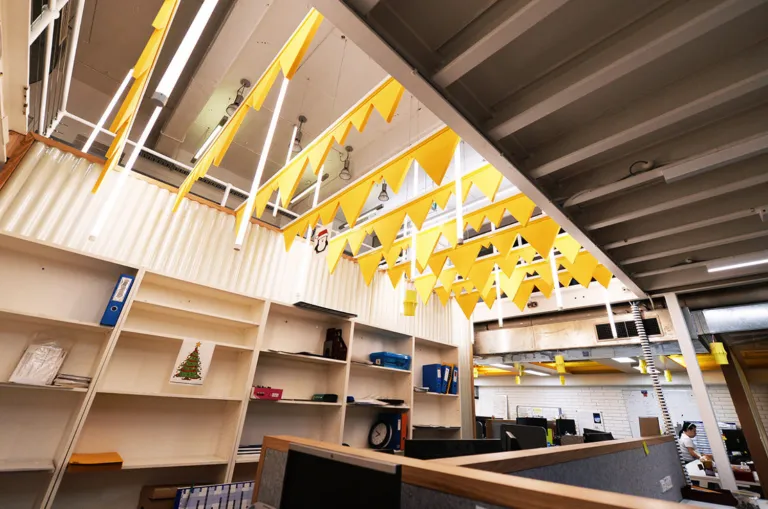
What About Suspended Ceiling Panels and Baffles?
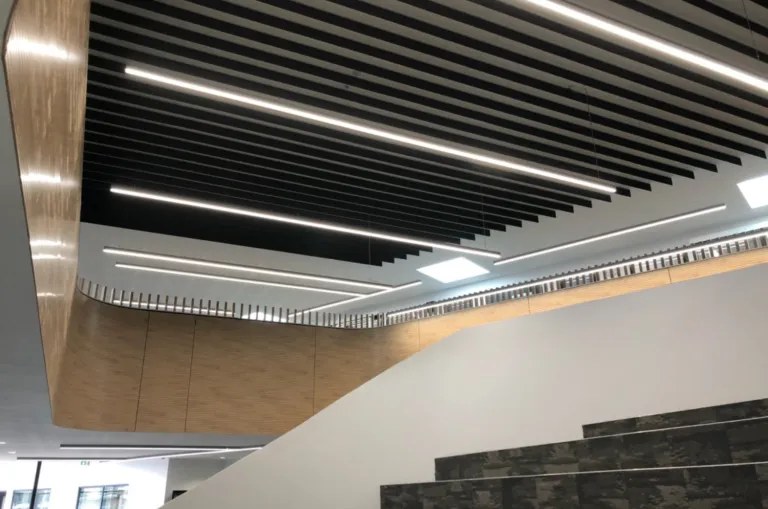
Suspended acoustic products require additional planning because they are not simply attached directly to a wall.
Acoustic baffles, rafts and other suspended elements may require dedicated suspension components and fixing points.
The installation also needs to coordinate with:
- Structural elements
- Ceiling heights
- Lighting
- HVAC services
- Sprinklers
- Cable trays
- Access requirements
For this reason, suspended systems should be considered during the design and coordination stages rather than leaving the installation method until products arrive on site.
The installer also needs to confirm that the supporting structure and proposed fixing points are appropriate for the system.
Can Panels Be Ordered Supply-Only?
Yes, supply-only arrangements can be appropriate where the builder or acoustic installer prefers to organise installation hardware themselves.
Commercial contractors often have preferred fixing products or established installation methods.
They may also need to coordinate acoustic panel installation with other trades and project-specific substrates.
In these circumstances, supplying the acoustic product separately can provide greater flexibility.
The key is clarity.
If installation hardware is being supplied by others, that should be established during quoting so everyone understands the scope before the order is placed.
Fixing Details Should Be Confirmed Before Ordering
One of the easiest ways to avoid installation problems is to discuss the fixing method before placing the order.
Useful information to provide includes:
- Product being specified
- Wall or ceiling application
- Substrate type
- Panel dimensions
- Proposed mounting method
- Whether the panels need to be removable
- Whether installation hardware is required
- Who will be installing the panels
With this information available, the appropriate fixing requirements can be considered as part of the quotation.
It also gives the contractor an opportunity to review the proposed method before installation begins.
What Should Your Contractor Check Before Installation?
Even where installation hardware is supplied, the contractor should review the site conditions before starting work.
Important checks include:
Substrate condition: Is the wall or ceiling suitable for the proposed fixing method?
Panel layout: Have panel positions, spacing and orientation been confirmed?
Services: Will lighting, power, HVAC, sprinklers or other services affect installation?
Access: Can installers safely reach the fixing locations?
Hardware: Does the delivered hardware match the documented installation method?
Site dimensions: Do the actual site measurements correspond with the approved layout?
These checks are particularly important on refurbishment projects, where existing construction may differ from drawings.
Why Installation Planning Matters
A high-performing acoustic panel still needs to be installed correctly.
Poor installation planning can result in unnecessary delays, additional site costs or changes to the intended layout.
Common problems include:
- Discovering the wrong substrate on site
- Assuming fixings are included when they are not
- Ordering inappropriate hardware
- Failing to coordinate ceiling services
- Using an installation method that differs from the specified system
- Not allowing sufficient access for installation
Most of these issues can be avoided by establishing the fixing requirements before production.
For architects, builders and installers, this also creates a clearer division of responsibility between product supply and installation.
Confirming Hardware With Acoustic Panels Australia
When requesting a quote from Acoustic Panels Australia, provide as much information as possible about where and how the panels will be installed.
In particular, tell us:
- Whether the panels are for a wall or ceiling
- What surface they will be fixed to
- The intended mounting method, if already determined
- Whether your installer requires hardware to be supplied
- Any unusual site or installation conditions
We can then identify the relevant fixing arrangement and clarify the inclusions within the quotation.
This is preferable to assuming that every project requires the same hardware, particularly across commercial projects with different substrates and construction methods.
Why Choose Acoustic Panels Australia?

Acoustic Panels Australia works with architects, builders, interior designers and installers to make acoustic specification practical from product selection through to installation.
Our support isn't limited to choosing an acoustic panel based on appearance or NRC performance. Installation requirements can also be considered during specification so the proposed product works with the project's wall, ceiling and mounting conditions.
By confirming fixing requirements early, project teams can coordinate installation more accurately and reduce avoidable questions once products reach site.
Know What's Included Before Your Panels Arrive
So, do fixings and installation hardware come with acoustic panels?
It depends on the product and mounting method.
Fixings, adhesives, tracks or other hardware may be supplied where appropriate, while supply-only arrangements are also possible where contractors prefer to organise their own installation components.
The safest approach is simple: confirm the fixing system and inclusions before ordering.
Tell Acoustic Panels Australia what you're installing, whether it's going on a wall or ceiling, what the substrate is and how you intend to mount it. We can then clarify the relevant fixing requirements and what's included in your quote.
Contact Acoustic Panels Australia to confirm the fixing and installation requirements for your next project.