What Do Commercial Acoustic Panels Cost in Australia? A Transparent Guide
Learn what affects commercial acoustic panel pricing in Australia, including materials, finishes, custom work, delivery, installation, and quote scoping.
How much do acoustic panels cost in Australia?
It is one of the most practical questions architects, designers, builders, and project managers ask at the early stage of a commercial project. It is also one of the hardest to answer with a single number.
That can be frustrating when you are trying to set a budget, compare product options, or work out whether acoustic treatment fits within the project scope.
The reason pricing is not always straightforward is simple: commercial acoustic panels are not all the same. Cost depends on the material, finish, size, thickness, fire rating, performance requirements, quantity, fixing method, customisation, delivery, documentation, and installation.
This guide explains how commercial acoustic panel pricing works in Australia, what variables can push the cost up or down, and how to request a quote that comes back useful.
Why Acoustic Panel Pricing Isn’t a Single Number
Acoustic panel pricing is not usually a fixed shelf price because commercial projects rarely use acoustic panels in exactly the same way.
A small meeting room with standard wall panels is a very different scope from a multi-level education project with ceiling baffles, custom colours, fire-rated documentation, and staged delivery.
Even when two products look similar in a render or sample board, they may not cost the same once you factor in material type, manufacturing complexity, acoustic performance, compliance requirements, and project logistics.
For example, a standard acoustic wall panel may be relatively simple to price. But a custom acoustic feature wall with routed details, shaped panels, integrated lighting coordination, specific fire performance requirements, and multiple site deliveries will need a more detailed quote.
That is why most commercial acoustic panel suppliers price projects based on the brief rather than giving one universal rate.
In the early concept stage, indicative pricing can still be helpful. But it should be treated as a guide, not a final quote.
The Seven Variables That Drive Cost
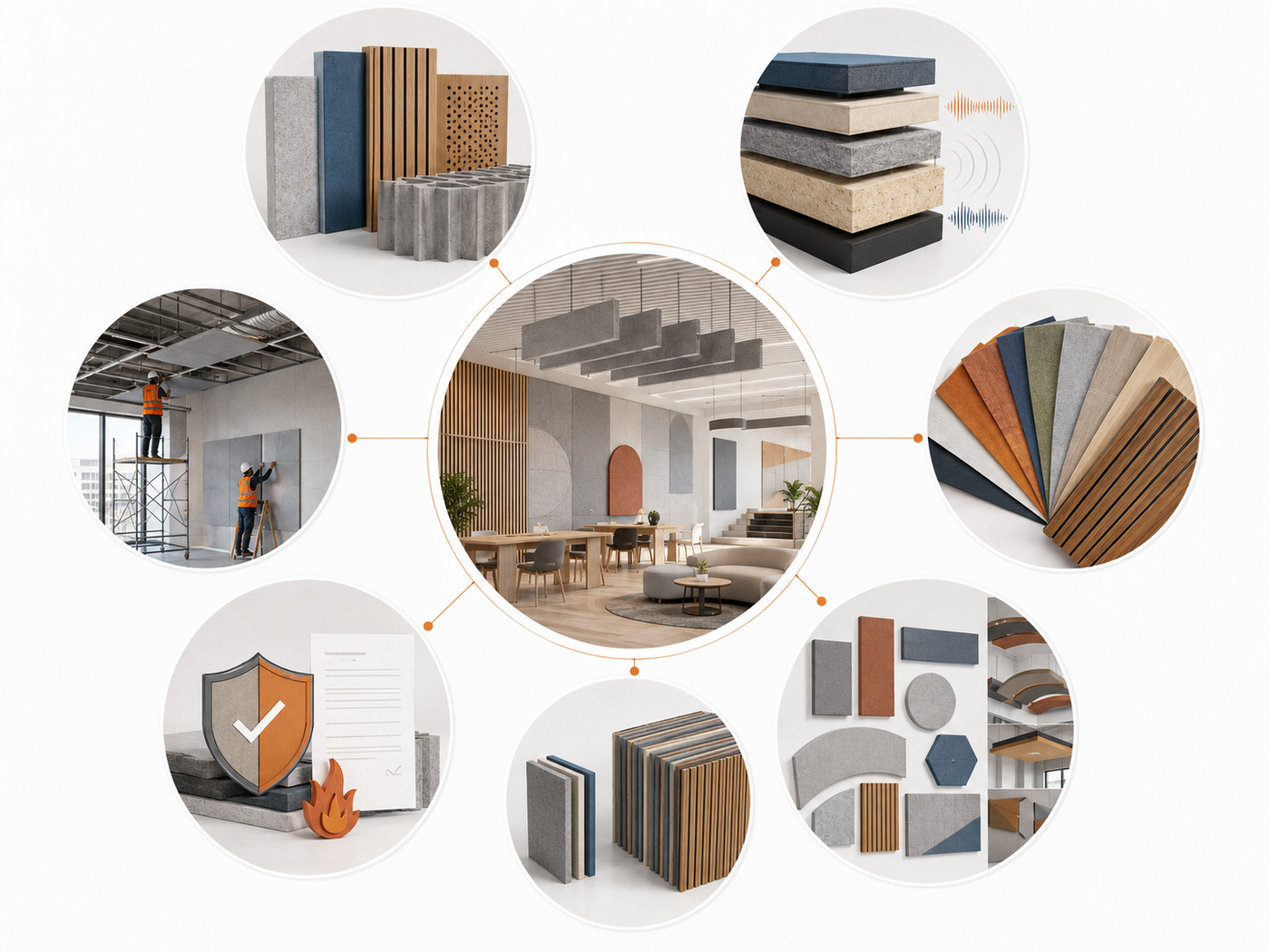
Several factors influence commercial acoustic panel pricing. Understanding these variables makes it easier to compare options and avoid surprises later in the project.
1. Material Type
The base material has a major impact on cost.
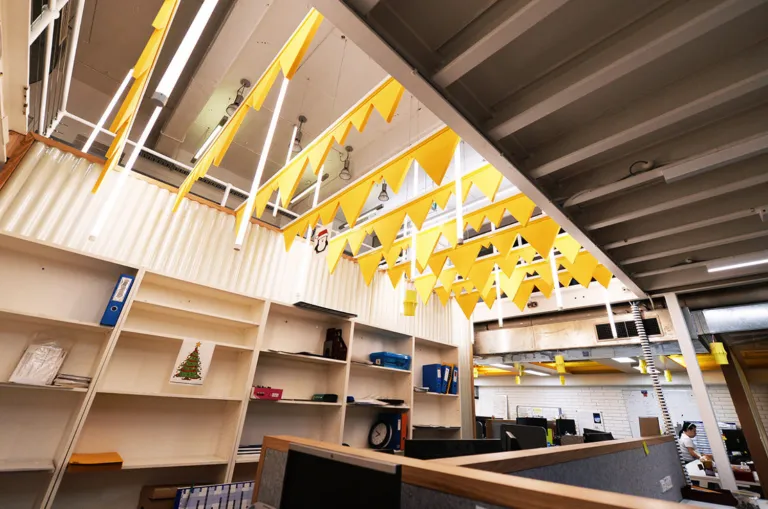
Polyester acoustic panels, fabric-wrapped panels, timber-look systems, slatted panels, acoustic fins, ceiling baffles, and custom feature panels all sit in different pricing categories.
Some materials are more cost-effective for broad coverage. Others are better suited to feature areas where appearance, durability, or fire performance is more important.
2. Panel Thickness and Acoustic Performance
Thicker panels often use more material and may require different fixing methods, which can affect price.
Performance requirements also matter. If the space needs higher sound absorption or specific acoustic outcomes, the panel type, thickness, spacing, backing, and placement may need to be adjusted.
A basic decorative panel and a high-performing acoustic solution may not carry the same cost, even if they look visually similar.
3. Finish and Colour
Standard colours and finishes are usually more cost-effective than custom finishes.
Costs can increase when a project requires special colours, printed surfaces, veneer finishes, routed patterns, exposed edges, custom laminates, or finishes that need additional production steps.
For commercial interiors, finish selection is often where acoustic performance and design intent meet. The goal is to choose a finish that works visually without adding unnecessary complexity to the budget.
4. Size, Shape, and Layout
Standard panel sizes are generally easier to manufacture, handle, and install.
Custom shapes, curves, cut-outs, angled panels, ceiling features, and detailed junctions can increase the cost because they require more design coordination, manufacturing time, and installation planning.
The more complex the layout, the more important it is to provide clear drawings and dimensions during the quote stage.
5. Quantity
Quantity affects pricing in two ways.
First, more panels usually means a higher overall project cost. But second, larger quantities may be more efficient to manufacture, package, and deliver compared with very small custom runs.
This is why unit pricing can sometimes look different between a small boardroom and a large multi-room commercial project.
6. Fire and Compliance Requirements
Australian commercial projects often require specific fire performance documentation.
Products that need to meet particular fire ratings, certification requirements, or project compliance documentation may involve different materials, finishes, or testing evidence.
This can influence both product selection and pricing.
It is important not to compare products on appearance alone. Two acoustic panels may look similar, but if one has the documentation required for the project and the other does not, they are not equivalent from a specification point of view.
7. Installation and Site Conditions
Installation can have a major impact on the final project cost.
A simple wall-mounted panel installation in an accessible room is usually more straightforward than a ceiling baffle system installed after hours, at height, or around existing services.
Site access, staging, lift access, working hours, ceiling height, fixing substrate, and coordination with other trades can all influence the installation component of the project.
Indicative Pricing by Range
Exact pricing should always be confirmed through a project-specific quote. However, it can help to understand relative pricing tiers when planning a commercial acoustic package.
Entry-Level Acoustic Treatment
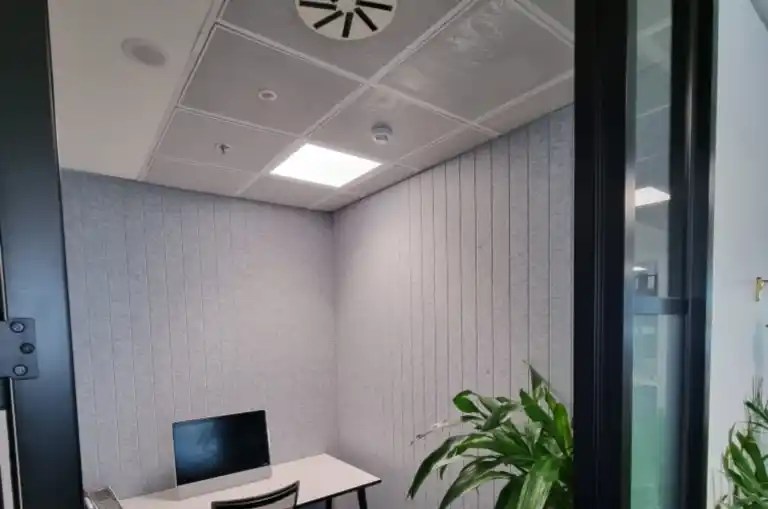
This typically includes simple acoustic wall panels or standard sound absorbing panels in common sizes and standard finishes.
These are often suitable for meeting rooms, small offices, classrooms, and basic commercial spaces where the priority is practical sound absorption and cost-effective coverage.
This is usually the most budget-friendly category.
Mid-Range Commercial Acoustic Panels
This may include thicker panels, a wider choice of finishes, ceiling treatments, baffles, fins, screens, and more design-led acoustic solutions.
These options are common in workplaces, education spaces, hospitality venues, healthcare environments, and public interiors where performance and aesthetics both matter.
This range usually provides a stronger balance between acoustic function, visual design, and commercial durability.
Premium and Architectural Acoustic Systems
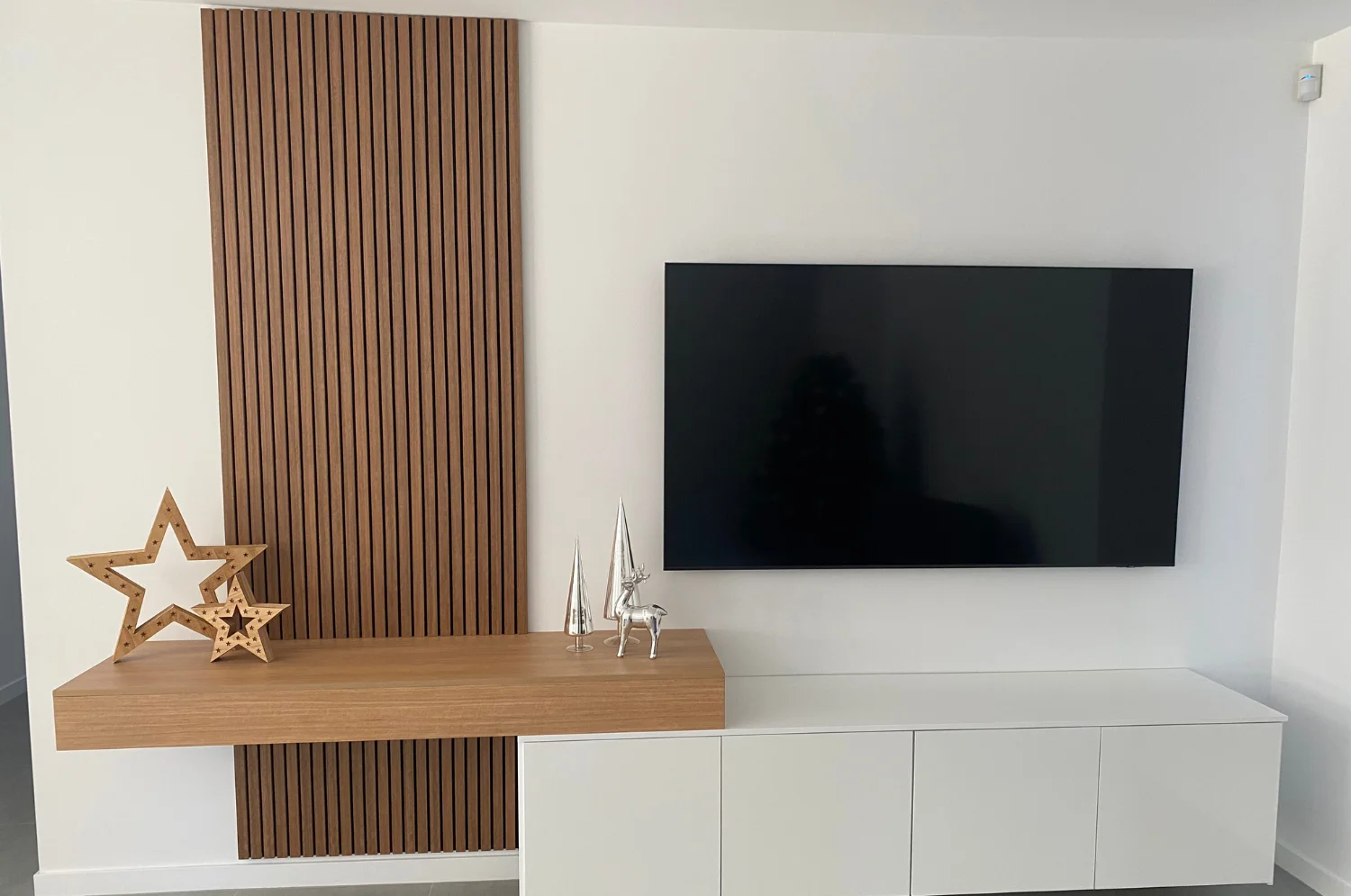
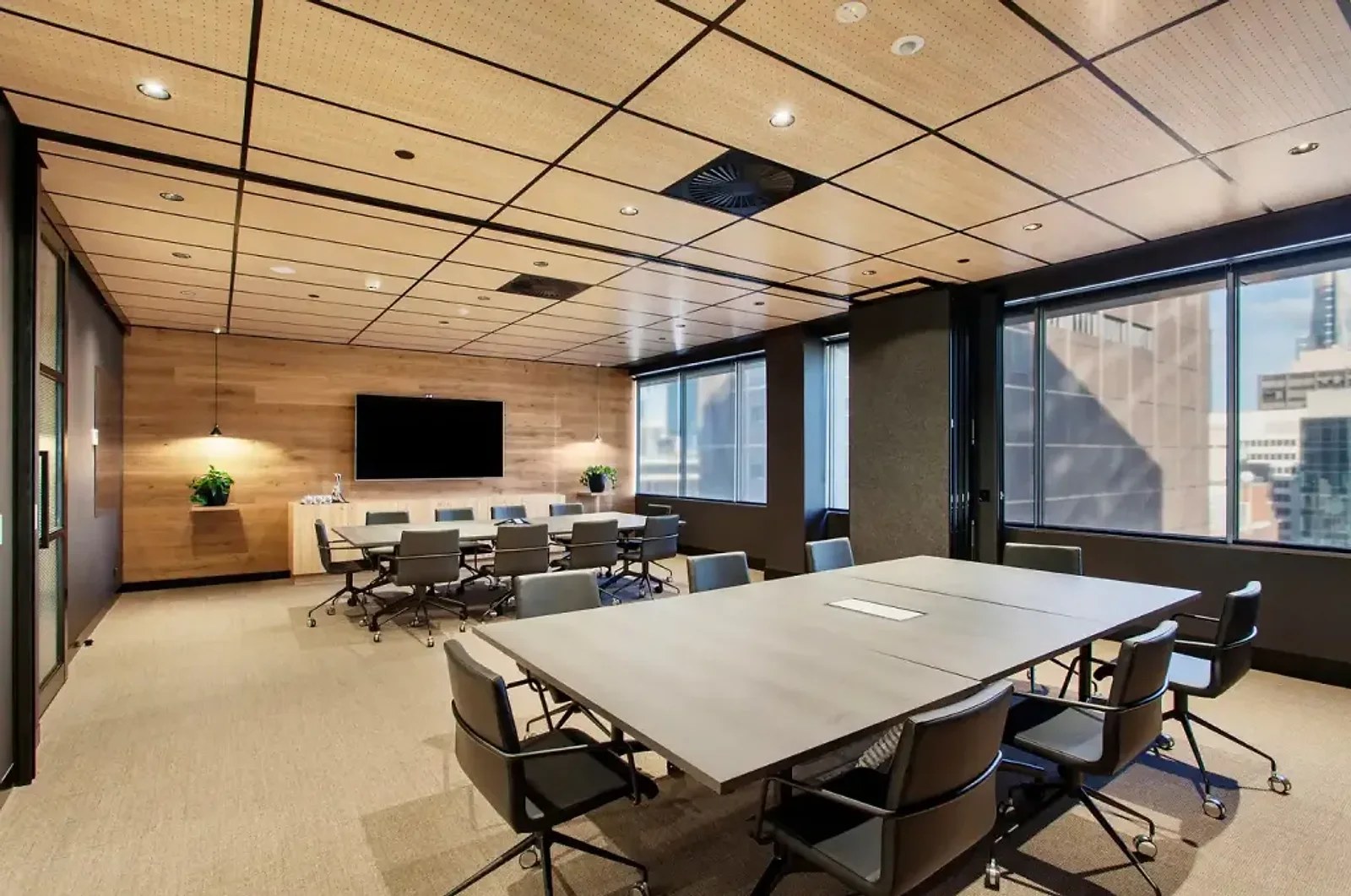
Premium systems may include custom feature walls, slatted panels, timber-look finishes, routed panels, veneer finishes, complex ceiling systems, custom shapes, branded colours, or project-specific detailing.
These are often selected when acoustic treatment is part of the architectural design rather than a background product.
The cost is typically higher because there is more design coordination, manufacturing complexity, finishing work, and installation planning involved.
Custom Fire-Rated or Compliance-Driven Solutions
Some commercial projects require acoustic products that meet specific compliance requirements. These solutions may involve particular substrates, finishes, product systems, documentation, or certification support.
The pricing depends heavily on the project requirements, so these are best quoted from drawings and a clear compliance brief.
How Custom Work Changes the Price Equation
Custom acoustic work can deliver a strong design outcome, but it changes how pricing is calculated.
A custom panel is not only priced by material area. It may also include design time, shop drawings, nesting, CNC cutting, edge finishing, colour matching, prototype samples, fixing development, packaging, and coordination with other trades.
Custom work may include:
- Non-standard panel sizes
- Curved or angled panels
- Routed patterns
- Printed graphics
- Custom colours
- Veneer or timber-look finishes
- Cut-outs for switches, lift buttons, doors, or services
- Ceiling baffles or fins
- Integrated feature walls
- Multi-level staging
- Project-specific compliance requirements
This does not mean custom work is always expensive or unsuitable. It simply means the quote needs more information to be accurate.
The best way to manage cost is to involve the supplier early, before the design is locked in. Small adjustments to panel sizes, layouts, fixing methods, or finish selections can often make a big difference to the final price.
The Hidden Costs to Factor In
When comparing acoustic panel pricing, it is important to look beyond the product supply cost.
A low product price may not reflect the full cost of getting the product delivered, approved, installed, and handed over.
Here are a few costs that should be considered early.
Delivery and Freight
Large acoustic panels, ceiling baffles, fins, and custom systems need careful packaging and transport.
Freight can vary depending on project location, volume, weight, packaging requirements, and whether delivery is staged.
For interstate or regional Australian projects, freight should be included in the budget conversation early.
Installation
Some acoustic panels are simple to install. Others require specialist installers, access equipment, after-hours work, or coordination with builders and other trades.
If installation is not included in the product quote, it should still be allowed for in the overall project budget.
Samples and Prototypes
Samples can be important for finish approval, especially on commercial projects where architects, designers, builders, and clients need to review colour, texture, thickness, or edge detail.
For custom projects, prototypes or mock-ups may also be required.
Certification and Documentation
Commercial projects may require fire test reports, technical data sheets, acoustic performance information, warranty details, installation guides, or maintenance documentation.
The availability and quality of documentation can affect how easily a product moves through approval.
Design and Shop Drawing Coordination
Custom systems often require drawing review, panel layouts, fixing details, or shop drawings.
This coordination helps avoid issues on site but should be considered part of the project scope.
Site Access and Staging
Projects with limited access, multiple floors, active tenancies, security requirements, or staged construction may carry additional logistics costs.
These are not always visible at concept stage but can affect the final project budget.
How to Scope a Quote That Comes Back Useful
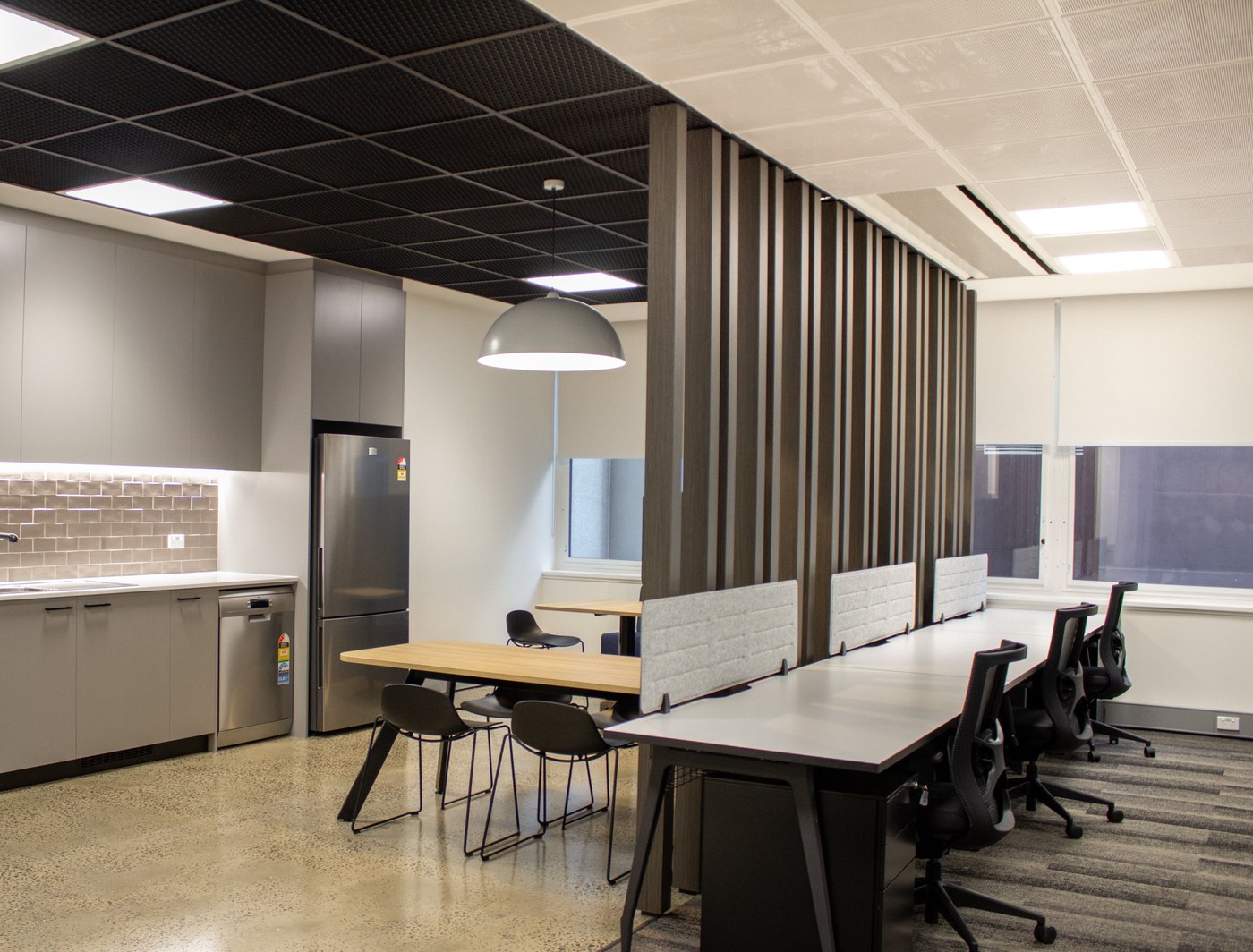
The quality of the quote often depends on the quality of the brief.
If you send only a general request such as “how much are acoustic panels?”, the response will likely be broad. If you provide room details, drawings, quantities, and performance expectations, the quote can be much more useful.
To get a better acoustic panel quote, include:
Project Type
Is it an office, school, healthcare facility, hospitality venue, public building, retail space, or multi-residential common area?
The project type helps the supplier understand likely durability, compliance, and design requirements.
Room Dimensions or Drawings
Provide floor plans, elevations, reflected ceiling plans, or basic room dimensions where possible.
Even early-stage drawings can help estimate panel coverage and placement.
Surface Finishes
Let the supplier know whether the space includes glass, plasterboard, concrete, timber, tiles, carpet, exposed ceilings, or soft furnishings.
These details help determine how much acoustic treatment may be needed.
Preferred Product Type
If you already know what you want, mention it. For example:
- Acoustic wall panels
- Ceiling baffles
- Acoustic fins
- Slatted acoustic panels
- Fabric-wrapped panels
- Custom feature panels
- Sound absorbing panels
- Acoustic screens
If you are unsure, say that too. A good supplier can recommend options based on the brief.
Finish Requirements
Include colour, texture, veneer, printed graphics, edge detail, or brand requirements where relevant.
Compliance Requirements
If the project has fire rating, acoustic performance, or certification requirements, include those early.
This helps avoid pricing a product that may not be suitable for the project later.
Delivery Location and Timing
Include the project location, required delivery date, and whether the project needs staged supply.
This is especially important for interstate or regional work.
Installation Scope
Clarify whether you need supply only or supply and install.
If installation is required, include site access details, ceiling heights, working hours, and any known restrictions.
Trade Pricing Through Acoustic Advantage Rewards
For architects, designers, builders, contractors, and repeat commercial clients, trade pricing can make acoustic project planning easier.
Through Acoustic Advantage Rewards, eligible trade customers can access support designed to help with product selection, quoting, and specification planning.
Depending on the project and customer type, this may include trade pricing opportunities, product guidance, sample support, and assistance with acoustic panel recommendations.
For commercial teams working across multiple projects, this can help create a more consistent quoting process and make it easier to compare acoustic options at concept stage.
If you regularly specify, purchase, or install acoustic panels, it is worth asking whether trade pricing or project support is available.
Summary: What Should You Budget For Acoustic Panels?
Commercial acoustic panel pricing in Australia depends on more than panel size.
The final cost can be influenced by material, finish, thickness, performance requirements, fire documentation, quantity, customisation, delivery, and installation.
As a general guide:
- Standard acoustic wall panels are usually the most cost-effective option for simple sound absorption.
- Ceiling baffles, fins, and screens often sit in a mid-range pricing category depending on layout and quantity.
- Custom architectural acoustic systems usually cost more because they require additional design, manufacturing, and installation coordination.
- Compliance-driven projects may need specific products and documentation, which should be considered early.
The best way to avoid pricing surprises is to scope the quote properly from the start.
Need a Commercial Acoustic Panel Quote?
If you are planning a commercial project and need a practical price guide, Acoustic Panels Australia can help review your drawings, room requirements, product preferences, and compliance needs.
Send through your project details and our team can help prepare a quote that reflects the actual scope, not just a rough guess.
Ready to scope your project? Request a quote and we will price the brief properly, or browse the acoustic panel range first.