

Acoustic Panel Samples: How to Order, What to Look For, How to Present
Learn how to order acoustic panel samples in Australia, what to check when they arrive, and how to present acoustic samples to clients.
Acoustic Panel Samples Guide: How to Order, What to Look For, How to Present
Choosing acoustic panels from a screen can only take a project so far.
A finish that looks right in a brochure can look completely different once it is placed under real project lighting, next to flooring, joinery, paint, glazing or furniture. A product that performs well on a specification sheet can also feel different when you actually hold the material, check the texture, compare colours and assess the edge detail.
That is why acoustic panel samples are such an important step for architects, designers, builders and commercial specifiers.
Samples help close the gap between product information and real-world decision-making. They allow project teams to check appearance, finish quality, colour accuracy, material feel and suitability before committing to a full order.
For commercial acoustic projects, samples are not just “nice to have.” They can help prevent costly finish changes, reduce client hesitation and make the specification process smoother.
This guide explains how to order acoustic panel samples in Australia, what to look for once they arrive, and how to present them to a client in a way that supports a confident decision.
Why samples matter and what they do not tell you
Acoustic panel samples are useful because they let you assess the material in context.
A digital image can show the general colour and style of a panel, but it cannot fully show texture, depth, edge detail, surface feel or how the finish reacts to lighting. This is especially important for commercial interiors where acoustic panels need to work with other finishes such as veneer, fabric, carpet, paint, ceiling systems and furniture.
Samples are particularly helpful when you need to confirm:
Colour and toneTexture and surface finishMaterial thickness and feelEdge treatmentVisual qualityCompatibility with other finishesClient preferenceDesign intent
However, it is important to understand what a small sample cannot tell you.
A sample does not represent the full acoustic performance of a completed installation. Acoustic performance depends on panel size, thickness, density, placement, coverage, mounting method, air gaps and the room itself. A sample can help you assess the material and finish, but it should not be treated as a complete acoustic test.
For performance, you still need to review technical data, product specifications and, where required, acoustic engineering advice.
The best way to use samples is as a finish and confidence tool. They help confirm whether the product looks and feels right for the project before moving further into specification or ordering.
How to order from apacoustics.com.au
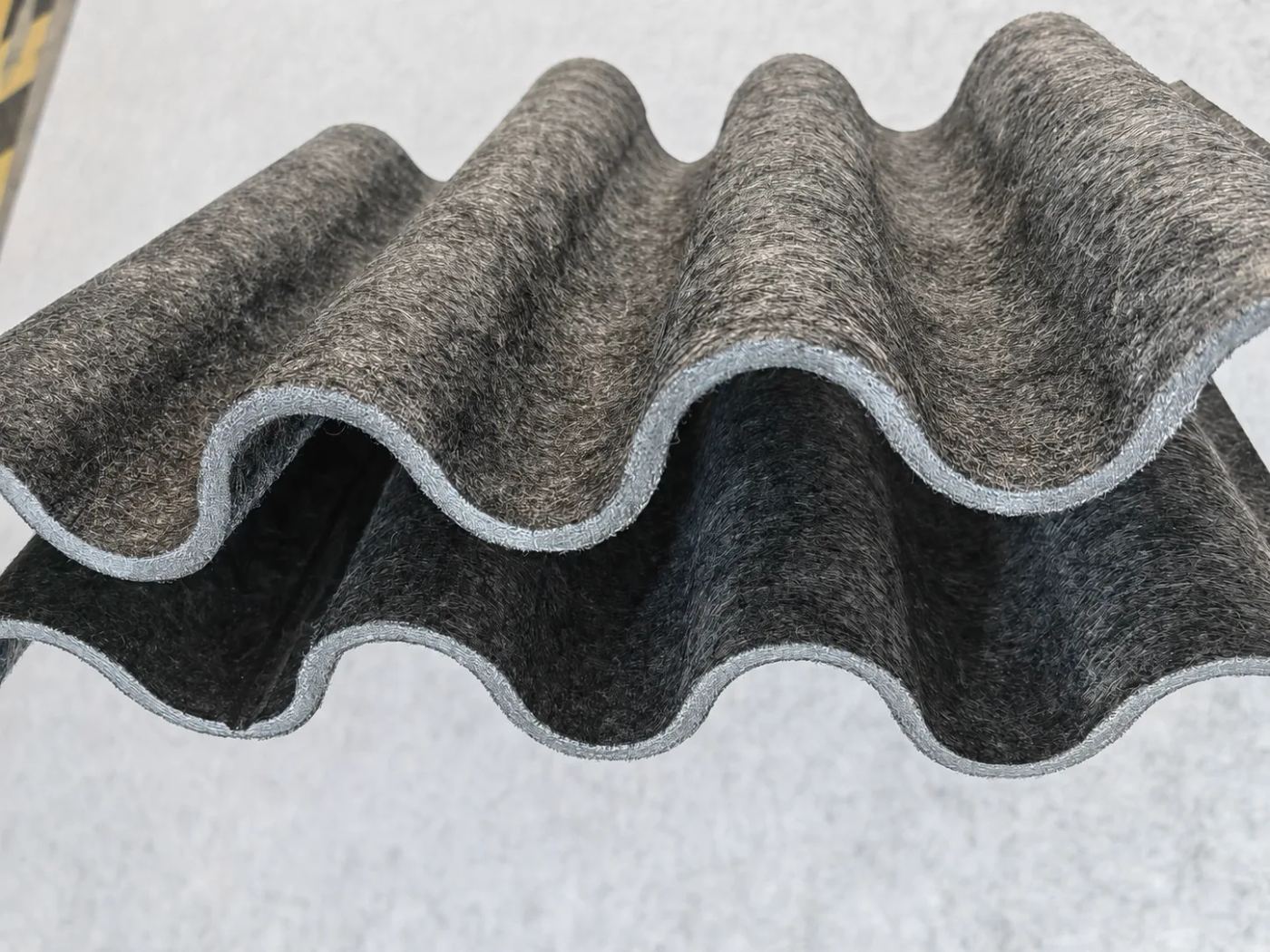
Ordering acoustic panel samples from Acoustic Panels Australia is designed to be straightforward.
Start by reviewing the available acoustic panel options on apacoustics.com.au and identifying the finishes, materials or product ranges that best suit your project. This may include options for wall panels, ceiling treatments, timber-look finishes, decorative panels, PET felt or other acoustic solutions depending on your project brief.
Before submitting a sample request, it helps to have a clear idea of the project type and the reason for the sample. For example, you may be comparing finishes for an office fit-out, presenting options to a school, confirming a veneer tone for a lobby, or checking material quality for a meeting room package.
When requesting samples, include practical project details where possible, such as:
Project typePreferred product or finishColour or material optionsApproximate project timelineDelivery addressWhether the sample is for internal review or client presentation
This helps the team provide samples that are relevant to the brief rather than sending options that may not suit the project.
If you are unsure which samples to request, it is better to share the project context than to guess. A short description of the space, design intent and performance requirement can help narrow the options.
The sample policy in practical terms: max 5, ships in 1–2 weeks
The acoustic sample policy is designed to keep the process practical and manageable for both project teams and the supplier.
In practical terms, you can request up to 5 samples, and samples typically ship within 1–2 weeks.
This gives specifiers enough flexibility to compare finishes without overwhelming the selection process. Five samples are usually enough to shortlist a palette, compare one or two material families, or present a focused set of options to a client.
A good sample request might include:
Two preferred coloursOne safe neutral optionOne alternative finishOne feature or contrast option
This gives the client a useful comparison without creating decision fatigue.
The 1–2 week shipping timeframe should also be considered in the project schedule. If samples are needed for a client meeting, tender submission, design presentation or finish board, it is best to request them early. Waiting until the final approval stage can create unnecessary pressure.
For commercial projects, sample requests should ideally happen before finishes are locked in. This gives the project team time to compare the material properly and make adjustments if needed.
What to look for once a sample arrives
Once your acoustic panel samples arrive, do not just check them quickly under office lighting and put them aside.
Samples are most useful when they are reviewed in context.
First, check the colour accuracy. Look at the sample in natural light, artificial light and, if possible, under lighting similar to the project space. Some finishes can appear warmer, cooler, darker or flatter depending on the environment.
Next, assess the texture and surface quality. Does the finish feel suitable for the space? Is it soft, structured, smooth, matte, textured or architectural enough for the design intent?
Then consider the edge detail and thickness. These details matter when panels are visible, repeated across a wall, installed near joinery or used in high-profile areas such as lobbies, meeting rooms or reception spaces.
Also compare the sample with surrounding finishes. Place it next to paint swatches, carpet, flooring, timber, laminate, stone, furniture finishes or ceiling materials. A panel can look good by itself but feel wrong once it is placed beside the rest of the palette.
For commercial interiors, also think about durability and maintenance. Ask whether the finish is appropriate for the location. A meeting room wall, school corridor, hospitality venue and quiet office zone may all have different durability expectations.
Finally, cross-check the sample against the technical requirements. The visual finish may be right, but the product still needs to suit the acoustic, fire, installation and compliance requirements of the project.
How to present samples to a client
A good client presentation does not simply show samples. It explains why each sample is being considered.
When presenting acoustic panel samples, keep the selection focused. Too many options can make the decision harder. A tight set of three to five samples is usually more effective than a large, unfocused range.
Group the samples by purpose. For example:
Recommended optionNeutral optionFeature optionBudget-conscious optionAlternative finish
This helps the client understand the role of each sample rather than choosing based only on first impression.
It is also useful to present acoustic panels alongside the broader material palette. Acoustic finishes should not be reviewed in isolation. They should sit beside flooring, paint, furniture, joinery and ceiling finishes so the client can see how the full space will come together.
When discussing the samples, explain both the design and functional role of the panel. For example:
“This option keeps the room calm and neutral while supporting speech clarity.”
“This finish gives the wall more warmth while still contributing to acoustic comfort.”
“This darker tone may be better for a high-contact area.”
“This option works well if we want the acoustic treatment to become a design feature.”
This positions the sample as part of the overall project strategy, not just a colour choice.
When to request a larger presentation sample
Standard samples are useful for early review and finish comparison, but there are times when a larger presentation sample may be helpful.
A larger sample may be worth requesting when the panel will be highly visible, used across a large surface area, presented to a client board, or installed in a premium space such as a lobby, boardroom, hospitality venue or public interior.
Larger samples can help show scale, pattern, surface finish and edge quality more clearly. This is especially useful for timber-look finishes, veneer finishes, slatted systems, perforated panels, custom colours or decorative acoustic features.
You may also need a larger sample when multiple stakeholders are involved. A small swatch may be enough for an internal design team, but a larger piece can help builders, clients, project managers and decision-makers understand the final outcome more clearly.
Request a larger presentation sample when the visual risk is high or when the sample needs to support formal approval.
Acoustic Advantage Rewards
Acoustic Advantage Rewards is a rewards program from Acoustic Panels Australia for eligible customers who purchase acoustic panel products.
Customers can earn points based on their purchase amount, which can then be used for rewards such as coffee vouchers, convertible items, or discounts on future projects.
For regular builders, designers and project teams, this can add extra value over time — especially when working across multiple commercial acoustic panel projects.
Final thoughts
Acoustic panel samples help specifiers make better decisions.
They allow you to check colour, texture, finish quality, thickness and compatibility before committing to a full project order. They also help clients understand the product more clearly and feel more confident approving the final selection.
The key is to request samples with purpose. Choose options that relate to the project brief, review them under the right conditions, compare them with other finishes, and present them in a way that connects design intent with acoustic function.
For commercial acoustic projects in Australia, samples are one of the simplest ways to reduce uncertainty and avoid finish-related surprises later in the project.
Need acoustic panel samples for your next project?
Request acoustic panel samples from Acoustic Panels Australia to compare finishes, check material quality and present options with confidence.
Select up to 5 samples, share your project details, and our team will help you choose options that suit your acoustic brief, design intent and commercial requirements.
Request Acoustic Panel Samples
Ready to see the finishes in person? Browse the range and request samples, or contact our team to talk through your project.